
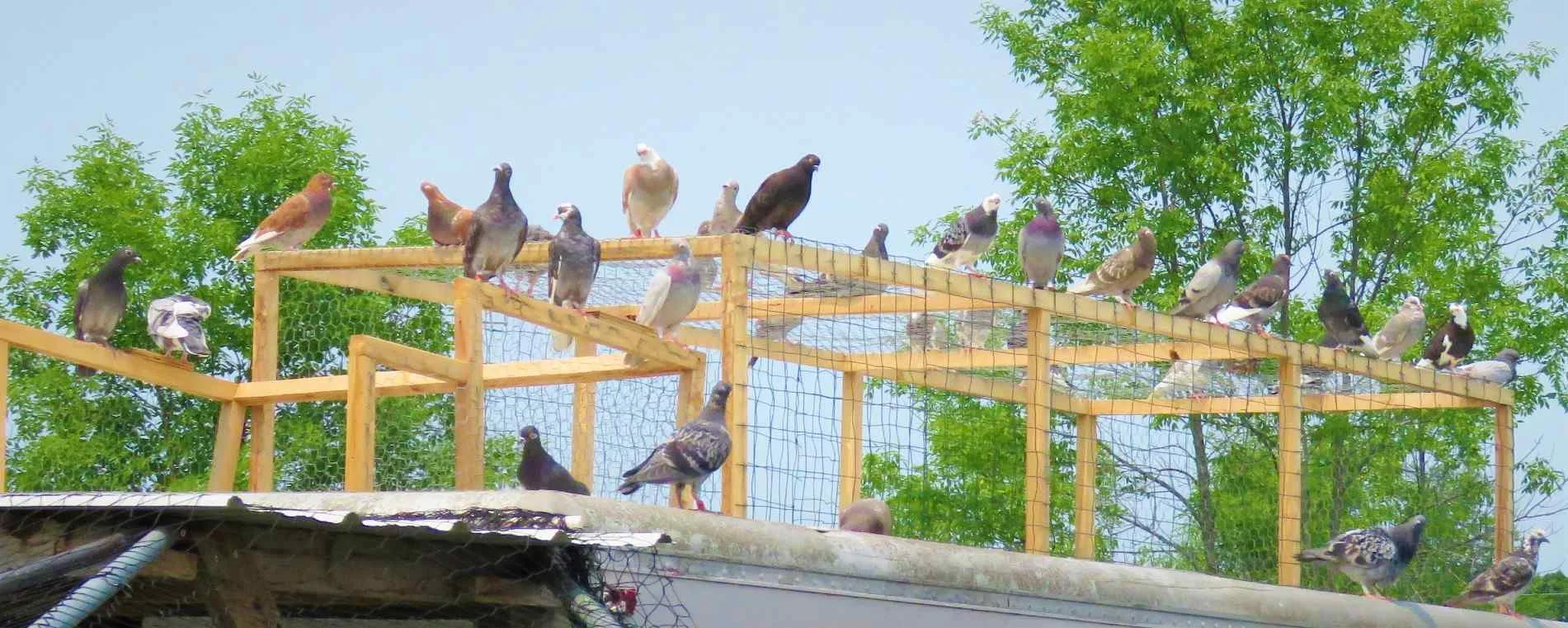
Roller pigeon color can look very different from one photograph to the next. Bright sun can wash out a light bird. Deep shade can turn blue or silver feathers almost black. A warm indoor bulb can make white feathers look yellow, and a phone filter can create a color the bird never had in the first place.
That matters when a photograph is helping somebody understand a bird they may buy. The goal should not be to make the bird look more dramatic than it is. The goal should be to show the actual bird clearly enough that a buyer knows what he or she is looking at.
Our Birds Colors page showcases the wide range of colors and markings used in the Northland breeding program. A shop photograph has an even more specific job: identify one bird honestly.
Start with soft, even light
The easiest light to work with is bright enough to show feather detail but soft enough that part of the bird is not blown out or hidden in black shadow.
Open shade outdoors can work well. So can a bright area near a window when the bird is safe and the background is controlled. Direct midday sun is harder because it can create sharp highlights on white feathers and deep shadows under wings, around the neck, and near the tail.
Take a test photo and compare the screen with the bird standing in front of you. If the bird looks much warmer, cooler, lighter, or darker in the photo, adjust the position or light before taking the full set.
Do not rely on your memory later. Make the comparison while the bird and the light are still there.
Use a background that does not change the bird
A busy loft can make it hard to see the outline, feet, tail, and smaller markings. A plain neutral background keeps attention on the bird.
Avoid a background that is nearly the same color as the pigeon. A white bird can disappear against bright white. A dark bird can lose its outline against black or deep shadow. Gray, muted blue, or another simple middle tone may show both light and dark birds more clearly.
The background should also be safe. Do not place a bird on a slippery surface, near an open door, on an unstable prop, or somewhere it may be startled into a window or obstacle.
Photograph both sides
One side does not always tell the full story. Pied markings, white flights, splashes, checks, feathered feet, and small color differences may not match perfectly from left to right.
A useful listing set can include:
- Full left-side view
- Full right-side view
- Front or three-quarter view of the head and chest
- Back and tail view when markings continue across them
- A clear view of feet or feathering when relevant
- A readable band view when appropriate and safe
Keep the bird at a natural angle. A photograph taken too close with a wide phone lens can make the head look oversized and the body look short. Step back enough to keep the bird’s proportions natural, then crop the image rather than pushing the camera into the bird’s space.
Show markings without guessing at genetics
A photograph can show visible color and markings. It cannot prove every genetic fact about the bird.
Use the color description Northland Rollers can support from the bird and its records. If a label is uncertain, describe what is visible instead of turning a guess into a confident genetic claim.
The article on how we look at roller pigeon color without forgetting performance explains why color is only one part of a breeding and buying decision. A beautiful photograph does not tell you how a bird will perform in a different loft.
Include the band and identity details
If the product is one specific bird, the photos and listing should make that clear. Record the band number separately and match the photo set to the correct product before uploading anything.
Where practical, one image can show the band clearly enough to confirm identity. Handle the bird calmly and never twist or hold a leg in an unsafe position just to force a photograph.
The new roller pigeon loft record-book guide explains how a band number, color description, and photographs work together. That record check should happen before the product is published, not after a buyer asks why two details do not match.
Show feather condition honestly
Molting, dust, damp feathers, and recent bathing can change how a bird looks. If the bird is in an awkward stage, either wait for a more representative photo or explain the current condition honestly.
Do not smooth away missing feathers, recolor a marking, remove a visible physical concern, or copy a better-looking wing from another image. Basic cropping and exposure correction can make a photo easier to see, but editing should not change the bird being offered.
If a photo was taken at a different time in the bird’s development, label it clearly. Do not let a young photo appear to be the bird’s current condition.
Use short video when movement adds useful context
A still image is good for color and markings. A short, steady video can show how the bird stands, turns, and moves in a safe enclosed space.
Keep the video simple:
- Use the same honest lighting as the photographs
- Keep the bird in frame without chasing it
- Avoid loud music or graphics that cover the bird
- State whether the video shows the exact bird offered
- Do not present a different bird’s flight or movement as evidence for the listing
A sale-page video should help identify and understand the bird. It should not become a performance guarantee.
Avoid filters that change feather color
Automatic phone processing can add contrast, saturation, sharpening, and warmth before you touch the edit controls. Look at the final file on more than one screen when possible and compare it with the bird.
Reasonable adjustments include straightening, cropping empty space, and correcting exposure so the bird is visible. Avoid color filters, heavy saturation, selective recoloring, artificial background replacement around feather edges, or any edit that makes a marking appear cleaner or more complete than it is.
No screen will reproduce every feather exactly the same way. The honest goal is a consistent group of images that stays close to what you saw under the original light.
Connect the photos to useful buyer information
Good images should sit beside accurate written details:
- Band number
- Sex, when known
- Color and visible markings
- Age or hatch year, when known
- Whether the listing is a single, pair, or kit
- What is and is not known about the bird
Buyers should still ask questions. The article on what buyers should ask before choosing roller pigeon kits or singles covers the information a picture cannot answer by itself.
When a bird is available, its verified images and details belong on the Northland Rollers Shop. If something in a listing is unclear, use the Contact page rather than making an assumption from one photo.
The photo should help the bird speak for itself
Northland Rollers is known for a wide range of beautiful colors, but honest presentation matters more than a dramatic edit.
Use soft light. Show both sides. Keep the background simple. Match the band and record. Show the bird’s current condition. Tell the buyer what is known and what is not.
That does more for trust than any filter ever will.
Until next time … enjoy the backyard fun.