
The goal of Northland Rollers Quick Tips is simple: give you a useful answer when you are short on time, then point you to a full guide when a topic needs more explanation.
I have been around pigeons my whole life, and one lesson keeps coming back: watch the birds in front of you. A routine that works in one loft may need to change for a different climate, structure, group, or bird.
These are practical reminders, not veterinary diagnoses, medication instructions, pesticide labels, wildlife-control directions, or guarantees.
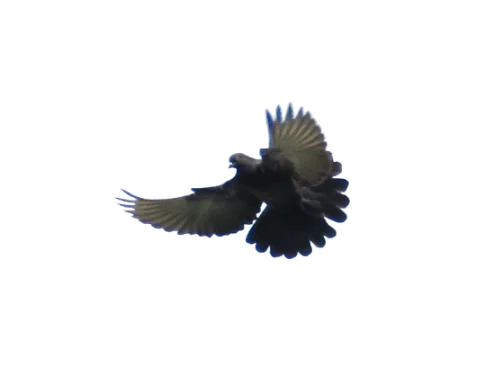
New birds: separate first and observe
- Prepare a clean, dry, secure observation space before the bird arrives.
- Use separate food and water containers.
- Paper beneath the bird can make fresh droppings easier to observe, but droppings alone do not diagnose a disease.
- Watch appetite, drinking, posture, breathing, balance, feathers, and behavior.
- Do not use one fixed number of days as an automatic release into the main loft.
- Contact an avian veterinarian when a bird’s condition is concerning or declining.
Use the complete new roller-pigeon quarantine checklist before integrating an incoming bird.
Clean water: look at the container too
- Confirm that water is available, usable, and easy for the birds to reach.
- Replace it when it is dirty, warm, frozen, low, or contaminated.
- Clean the waterer rather than pouring fresh water over buildup.
- Replace cracked, leaking, badly corroded, sharp, or impossible-to-clean containers.
- Keep drinking water separate from bath water.
- Do not add medication or supplements to communal water without exact qualified guidance.
Feed: match the birds’ real work
- Training, breeding, molt, rest, heat, and cold can change what deserves attention.
- Keep the routine steady enough to observe appetite, trapping, and recovery.
- Do not copy a rigid quantity from another loft and assume every bird, feed mix, and workload is the same.
- Store feed in closed sound containers and clean spills that attract rodents or become damp.
- Do not use feed restriction, supplements, or additives as a shortcut to force performance.
Bathing: plain water is the baseline
- Use a clean, stable, shallow pan.
- Choose a suitable part of the day and let the birds decide whether to enter.
- Watch feather condition, balance, scratching, and which birds hang back.
- Dump and clean the pan after use so it does not leave standing water or a damp loft corner.
- Do not add pesticides, medications, dewormers, laundry products, or home mixtures to bath water.
Cleaning: make it part of every visit
- Scrape perches, shelves, and nest-box edges before buildup becomes a major job.
- Remove wet or soiled material instead of covering it with a fresh layer.
- Check below waterers, around doors, beneath nests, and in low corners after rain or bathing.
- Keep feed and drinking areas easy to inspect.
- Notice new tracks, chewing, gaps, leaks, or loose wire while you clean.
- Keep airflow moving without a hard direct draft at the birds.
The full pigeon-loft cleaning routine explains floors, nest areas, moisture, airflow, and why cleaning is also inspection.
Nest bowls and loose material
- Inspect nest bowls frequently because young birds cannot move away from a dirty or damp area.
- Replace soiled, wet, moldy, tangled, or difficult-to-inspect material.
- Keep string, wire, hair-like fibers, and anything that can wrap around feet, legs, toes, or bands out of nests.
- Make sure the bowl is stable and the surface beneath the material is not dangerously slippery.
Possible mites: inspect, identify, and follow the label
- Restlessness, scratching, rough feathers, or repeated picking can justify a closer look, but do not prove mites.
- Check under wings, around the neck and vent, and near feather bases.
- Inspect perch ends, wall seams, nest bowls, cracks, and old material.
- Do not spray a pigeon or add a product to a nest, bath, feed, water, or occupied loft unless the current label specifically permits that use.
- Use an avian veterinarian to help identify the cause and guide any treatment decision.
The safe bird-mite inspection guide explains the EPA label-first rule and why this site does not provide a home pesticide recipe.
Young-bird training: confidence comes before more time
- Let young birds learn the loft, landing area, trap, and daily rhythm gradually.
- Do not force a bird out before it understands the route home.
- Use a group small enough to observe clearly.
- Age is a starting point, not proof that every bird is ready for the same lesson.
- Move or rest a bird when the change solves a clear problem, not after every imperfect flight.
- Record trapping, weather, group, and current condition so decisions can be reviewed.
Read how we decide which young rollers belong in the same training kit for the complete grouping and review process.
Before flying: check more than the clock
- Look at steady wind, gusts, direction, heat, cold, humidity, visibility, and approaching storms.
- Look at the birds’ current condition before opening the door.
- Confirm clean water and a clear working trap for the return.
- Scan for hawks and recent pressure around the loft.
- Make sure you have time to watch the session.
- Choose a normal, shorter, later, or rest-day plan from all the information together.
There is no universal wind speed, temperature, or time of day that guarantees safety. Use the weather, feed, and hawk pre-flight checklist every time the conditions or kit change.
Wild birds, predators, and the loft exterior
- Do not allow wild birds to enter the loft or share feed and water.
- Check doors, wire, floors, roof edges, vents, latches, and feed storage.
- Look for digging, chewing, tracks, loose panels, or new gaps.
- Do not assume trapping, relocation, poison, or killing wildlife is legal or safe.
- Use qualified local wildlife-control guidance when an animal is present.
When a bird looks different
Changes in appetite, drinking, posture, breathing, balance, droppings, feathers, activity, or trapping deserve attention. They do not identify a disease by themselves.
- Move the bird to a calm observation space when appropriate.
- Write down what changed and when.
- Check feed, water, housing, weather, recent training, and the rest of the group.
- Contact an avian veterinarian when the bird is weak, has trouble breathing or balancing, cannot eat or drink normally, or declines quickly.
- Do not select a medication from a symptom list or reuse an old treatment plan.
Keep simple records
- Record band number, color, sex when known, source, and a clear photo.
- Track pairings, hatch and weaning dates, kit assignments, weather, flight, trapping, and health observations.
- Write what happened instead of labeling a bird “good,” “bad,” “lazy,” or “sick.”
- Do not turn pedigree, color, early promise, or one flight into a performance guarantee.
Check local rules before building or buying
City, county, association, and property rules can affect animals, setbacks, accessory buildings, noise, waste, and loft size. Check the rules that apply to the actual property before buying birds or building a structure. Do not assume another keeper’s local approval applies to your address.
The short version
Clean water. Useful feed. A dry observable loft. Calm handling. A secure structure. Weather-aware training. Qualified help when health changes. Honest records.
That will not make every day perfect, but it gives you a routine you can see, repeat, and improve.
Until next time … enjoy the backyard fun.