
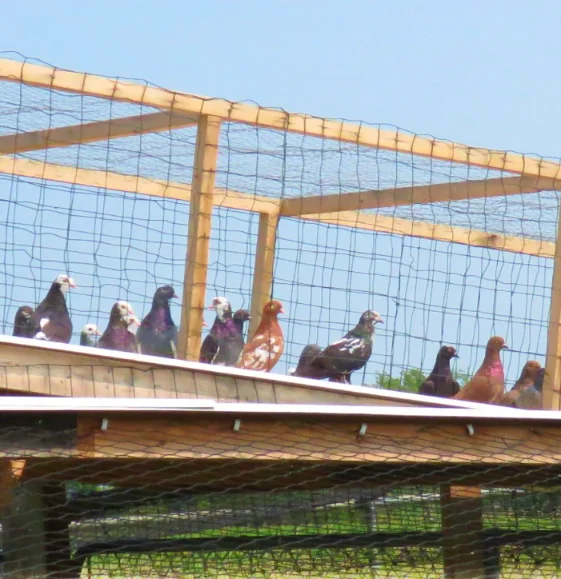
Bringing a new roller pigeon home is exciting, but the best first move is not to place that bird straight into the main loft. A new bird has already had a change in surroundings, people, sounds, feed, water, and daily routine. Giving it a calm separate space lets the bird settle while giving you a much better chance to notice how it is doing.
This is not about treating every new bird as if something is wrong. It is about protecting the bird you brought home and the birds already in your loft. A little patience at the beginning can prevent a lot of confusion later.
Prepare the separate space before the bird arrives
Have the observation area ready before you bring the bird onto the property. It should be clean, dry, secure, and away from direct contact with the main flock. The bird needs enough room to stand naturally, turn around, stretch, eat, drink, and rest without being chased or crowded.
Keep the setup simple:
- A clean food container and water container used only for the new bird
- Dry footing that is easy to replace and inspect
- Good air movement without a hard draft blowing directly on the bird
- Protection from rain, temperature extremes, pets, and wild animals
- A secure door or latch that cannot work loose
Our Quick Tips page recommends placing clean paper under an incoming bird so you can observe droppings for the first few days. That can be useful, but remember what you see is information, not a diagnosis. One unusual dropping after travel does not tell the whole story. Look at the bird, the feed and water intake, and the pattern over time.
Arrival day should be quiet
The first day is not the time to handle the bird over and over or introduce it to every bird in the loft. Put it in the prepared space, make sure clean water and familiar feed are available, and give it time to look around.
Watch without hovering. Is the bird standing comfortably? Does it notice its surroundings? Can it reach the water and feed? Does it settle after the first burst of alertness?
Travel and a new environment can affect behavior for a while. The useful question is not whether the bird acts exactly like one of your settled rollers. The useful question is whether it begins moving toward a calm, steady routine.
What to watch during the first week
I like simple observations because they are easier to repeat. Check the bird at roughly the same times each day and write down anything that changes.
Feed and water
Confirm that the bird is actually eating and drinking. Do not rely only on the fact that food and water were placed in the cage. Look for a change in the feed level and watch the bird use the containers when possible.
Keep the drinking container clean. Bath water, dirty bedding, and spilled feed should not end up in it. If the bird does not appear to be drinking or cannot keep water down, that is a reason to contact an avian veterinarian promptly.
Posture, breathing, and movement
Watch how the bird stands and moves when it is not reacting to you. A bird that stays fluffed up, has trouble balancing, breathes with obvious effort, or remains unusually inactive needs closer attention.
Do not try to name the problem from one sign. Several different issues can look similar from across a cage. Separation helps you observe clearly; it does not replace veterinary diagnosis.
Droppings and the condition of the space
Replace the paper or other disposable floor lining regularly so you can see what is fresh. Note major changes in consistency, color, frequency, or volume, especially when those changes appear alongside poor appetite or unusual behavior.
Also inspect the space itself. Damp corners, spilled water, old feed, or a heavy smell can create a problem even when the bird arrived in good condition.
Feathers, skin, and behavior
Look for steady preening, comfortable resting, and normal interest in the surroundings. Extra scratching or restless movement does not automatically mean mites, but it is worth a closer inspection. The bird-mite guide explains the behavior and loft areas that deserve attention.
If the bird appears stressed, review how to spot stress in young roller pigeons. The same calm observation habits are useful with birds of any age.
Keep tools and chores separate
Separate housing works better when the care routine is separate too. Use dedicated food and water containers where possible. Clean and care for the established loft first, then handle the new bird. Wash your hands and clean footwear or tools before moving back to the main birds.
Do not share bath pans, waterers, feed scoops, nest material, or transport boxes between the new bird and the established flock until you are satisfied with the transition plan.
If more than one new bird arrived together from the same source, they may be observed as a group if the space is appropriate. A bird that begins acting differently from that group may still need its own quiet area.
The first week is a checkpoint, not an automatic release date
A first-week checklist gives you a useful baseline, but seven days does not automatically mean a bird is ready to join the loft. The right observation period depends on the bird, its source and travel history, what you see, and the advice of an avian veterinarian familiar with your situation.
If appetite, breathing, droppings, balance, or behavior remain concerning, keep the bird separate and get qualified help. Do not guess at medications or add a treatment to water simply because a symptom sounds familiar.
Our article on when to separate roller pigeons for training, breeding, or health explains why separation should always have a clear purpose. With a new arrival, that purpose is observation and a safe transition.
Plan the move into the loft
Once the observation period is complete and the bird is ready, introduce it without turning the loft upside down. Think about where it will perch, which group it belongs with, and how much pressure it may face from established birds.
An older bird also needs time to learn the new surroundings before it is ever considered for outside flight. The Northland guide to training young rollers and settling older birds covers that next step.
The main thing is simple: do not rush. Clean water, familiar feed, a secure separate space, and steady observation give a new roller a much better start than an immediate drop into a busy loft.
Until next time … enjoy the backyard fun.