
Clean drinking water is one of the easiest parts of pigeon care to take for granted. It is also one of the first things I check when the weather changes, birds return from flying, or a pigeon is not acting like itself.
The water and the container both matter. A container can still hold water while collecting feed, dust, droppings, slime, algae, or damage that makes it hard to clean. The best routine is simple enough to repeat: look at the water, look at the container, and replace or clean what is no longer usable.
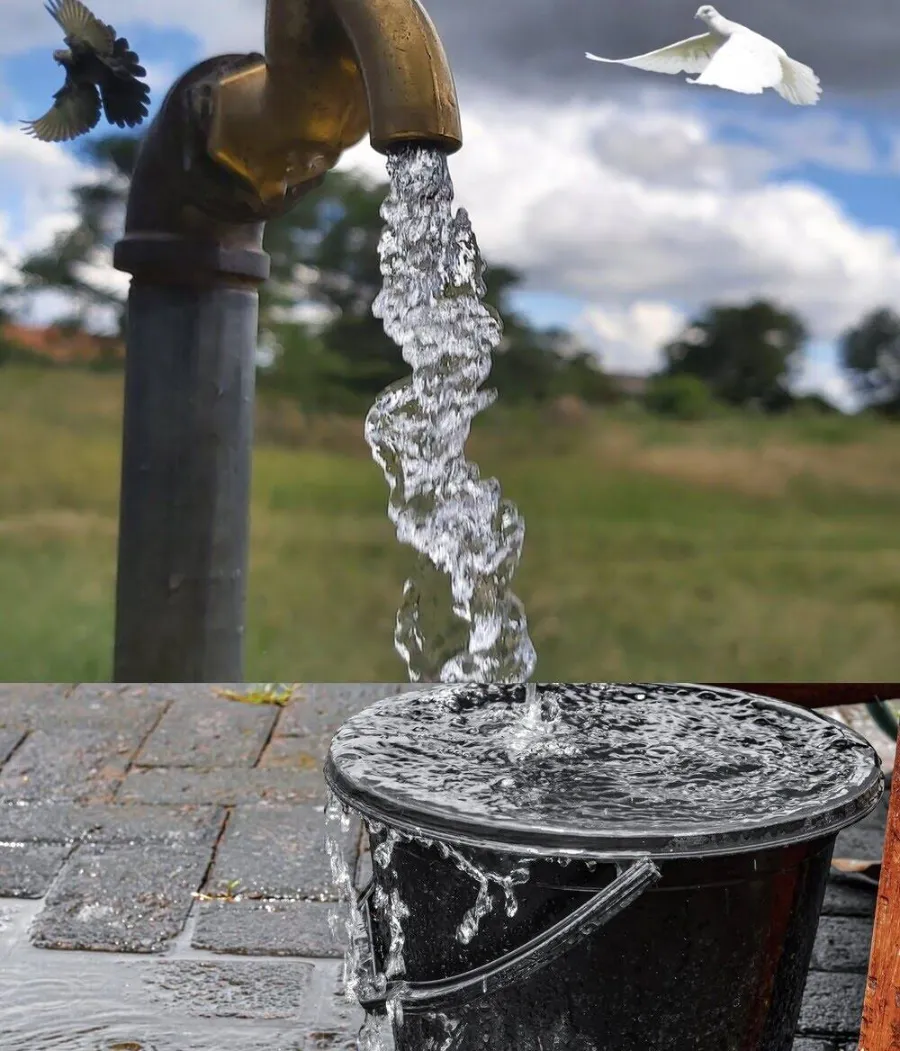
Make water part of the daily bird check
Do not only fill the waterer and walk away. Confirm that the birds can reach it and that the water stays available through the day.
During each check, look for:
- Low, empty, frozen, tipped, or blocked water
- Feed, feathers, droppings, insects, or debris in the container
- Slime, algae, residue, rust, cracks, sharp edges, or damaged seals
- A location that is becoming hot, muddy, or difficult to keep clean
- Birds that appear unable or unwilling to use the waterer normally
Replace water whenever it is dirty, warm, frozen, low, or otherwise unusable. In hot weather I check more often because conditions can change quickly. That is a personal routine, not a fixed number of water changes that fits every loft.
Clean the container, not just the water
Fresh water poured into a dirty container does not finish the job. Empty the waterer, wash the surfaces you can reach, rinse it thoroughly, and inspect the seams and base.
Use containers that can be cleaned well and are in sound condition. Replace a container that is badly corroded, cracked, leaking, holding residue that cannot be removed, or creating a sharp edge. The reason is practical: damaged containers are harder to keep clean and may stop working as intended.
Keep a small rotation if that helps you wash and dry one container while another is in use. Do not let “I will clean it later” turn into weeks of buildup.
Water sources vary
Northland Rollers is in a rural area, and our water setup is not the same as every reader’s. Municipal systems, private wells, filters, softeners, and local water conditions vary.
Do not assume that leaving water standing for a certain number of hours solves every water-quality concern. Different disinfectants and water conditions behave differently. If you are concerned about chlorine, chloramine, hardness, contamination, a well test, or a treatment system, contact the local water utility or a qualified water professional and discuss bird-specific concerns with an avian veterinarian.
A clear glass of water can still have a quality issue, and water with a harmless visible mineral difference is not automatically unsafe. Test and qualified local information are more reliable than guessing from appearance alone.
Heat, cold, and work change what needs attention
Hot weather can warm water and increase how often containers need inspection and replacement. Cold weather can freeze water or make access difficult. Flying, breeding, molt, and recovery can also change how closely you need to watch the birds and their routine.
There is no one quantity or schedule that fits every bird and every day. Make sure usable water remains available and watch for a bird that is not drinking, cannot keep water down, or is showing a broader change in appetite, posture, breathing, droppings, or behavior.
The article on feeding through training, breeding, and molt explains why the birds’ current work and life stage matter. The guide to weather, feeding, training, and flying puts the daily water check into the larger weather decision.
Keep bath water and drinking water separate
Pigeons may try to bathe in an open water source if a proper bath is not available. Bathing water becomes dirty quickly and should not serve as the drinking supply.
Place drinking containers where birds are less likely to step in them or fill them with loft debris. Offer a separate stable bath pan when conditions are suitable, then empty and clean it when the birds are finished. The bathing guide covers that routine.
Do not turn shared water into an unmeasured treatment
Plain clean water should be the baseline. Do not add medication, dewormer, pesticide, supplement, vitamin mixture, or another product to communal drinking water just because it was used in a different loft.
Birds do not all drink the same amount, and the amount consumed can change with weather, condition, and activity. That makes casual water dosing unreliable and potentially unsafe.
If an avian veterinarian recommends a product, use the exact current product, concentration, route, duration, and instructions provided for the identified need. Follow the current label. Do not reuse an old flock recipe for a new problem.
Changes in drinking can be useful information
A bird drinking more or less than usual may deserve closer observation, but water behavior alone does not diagnose a disease. Check the container first. Make sure it works, is accessible, and has not changed in location or cleanliness.
Then look at the whole bird. If a pigeon does not appear to be drinking, cannot keep water down, becomes weak, has trouble breathing or balancing, or declines quickly, contact an avian veterinarian promptly.
Keep the habit quiet and consistent
Look at the birds. Look at the water. Look at the container. Clean and replace what needs attention. Check more often when heat, cold, flying, breeding, or another change gives you a reason.
Good water habits are quiet work, but they support every other decision in the loft.
For a shorter daily-care version, visit Northland Rollers Quick Tips.
Until next time … enjoy the backyard fun.